



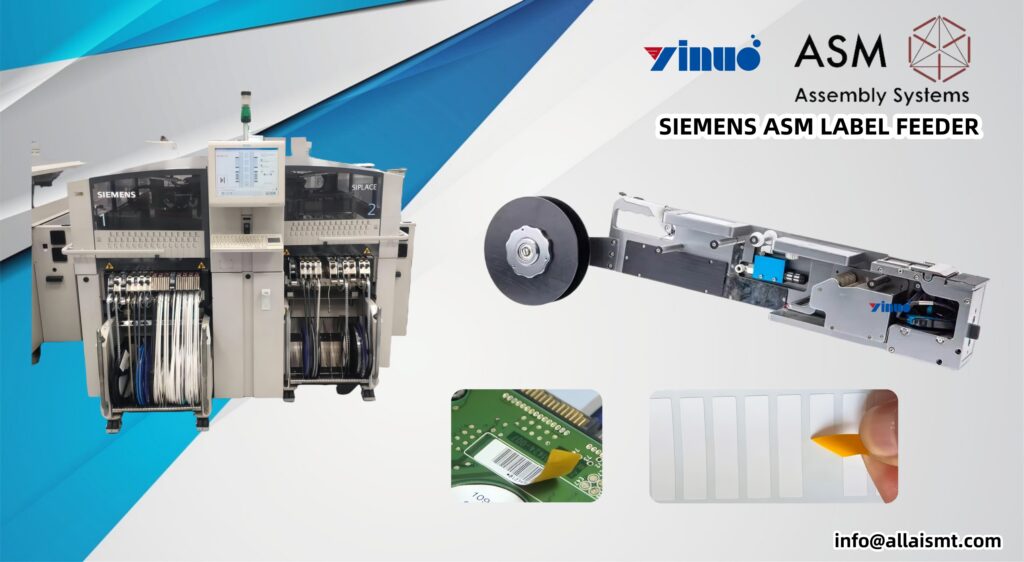
Automated label feeders offer several advantages in various industries, particularly in manufacturing, packaging, and logistics. Here are some key benefits:
- Increased Efficiency:
- Automated label feeders can significantly speed up the labeling process, reducing the time required compared to manual labeling.
- Continuous operation without the need for frequent manual intervention leads to higher throughput.
- Improved Accuracy:
- Automated systems ensure precise placement of labels, minimizing errors that can occur with manual labeling.
- Consistent label application reduces the risk of misaligned or improperly placed labels.
- Cost Savings:
- By reducing the need for manual labor, companies can save on labor costs.
- Automation can lead to lower operational costs due to higher efficiency and reduced waste from labeling errors.
- Enhanced Productivity:
- Machines can operate continuously, leading to higher productivity and better use of resources.
- Automated systems can handle high volumes of labeling tasks, meeting the demands of large-scale operations.
- Versatility:
- Modern automated label feeders can handle various label sizes, shapes, and materials, making them suitable for different products and industries.
- They can be easily integrated with other automated systems, such as conveyors and packaging machines.
- Consistency and Quality Control:
- Automated systems ensure consistent label quality, crucial for maintaining brand standards and regulatory compliance.
- Real-time monitoring and adjustments can be made to maintain high-quality standards.
- Reduced Downtime:
- Automated feeders are designed for high reliability and often feature self-diagnostic capabilities to identify and address issues quickly.
- Reduced need for manual adjustments and maintenance minimizes downtime.
- Data Integration:
- Many automated label feeders can be integrated with data management systems, enabling real-time tracking and reporting of labeling operations.
- This integration helps in maintaining inventory accuracy and improving overall supply chain management.
- Safety:
- Automation reduces the risk of workplace injuries associated with repetitive manual labeling tasks.
- Machines are designed with safety features to protect operators during operation.
- Scalability:
- Automated systems can be easily scaled to meet increasing production demands without a proportional increase in labor.
Overall, automated label feeders contribute to more efficient, accurate, and cost-effective labeling processes, making them a valuable investment for many businesses.