



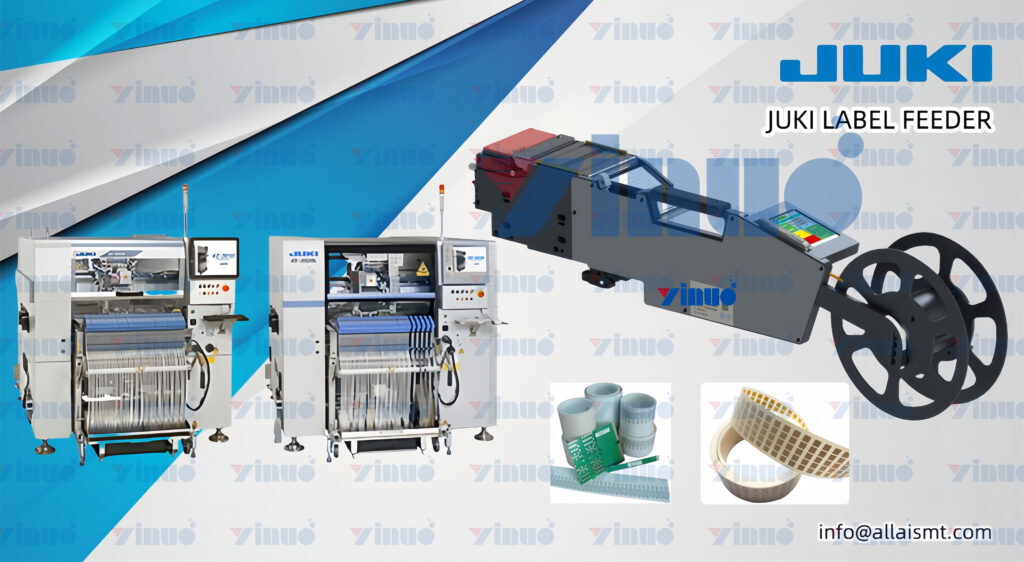
The Role of Label Feeders in Reducing Packaging Waste
In today’s environmentally conscious world, reducing packaging waste has become a critical objective for businesses across various industries. One innovative solution that has gained traction is the use of label feeders. These devices, primarily used in manufacturing and packaging lines, play a significant role in minimizing packaging waste while improving efficiency. This article explores how label feeders contribute to waste reduction and the broader environmental benefits they offer.
Understanding Label Feeders
Label feeders are automated devices that dispense labels onto products or packaging with precision and speed. They are commonly used in industries such as food and beverage, pharmaceuticals, electronics, and consumer goods. By automating the labeling process, these feeders help eliminate the inconsistencies and errors associated with manual labeling.
Reducing Packaging Waste through Automation
Precision and Accuracy
One of the primary ways label feeders reduce packaging waste is through their precision and accuracy. Manual labeling can often lead to misaligned or incorrectly placed labels, resulting in wasted materials and the need for rework. Label feeders, on the other hand, ensure that labels are applied correctly the first time, reducing the likelihood of errors and the associated waste.
Minimized Label Overproduction
In traditional labeling processes, businesses often produce more labels than necessary to account for potential errors. This overproduction leads to excess labels that eventually become waste. Label feeders, with their high accuracy, allow for more precise label production, reducing the need for excess labels and thereby minimizing waste.
Efficient Use of Materials
Label feeders are designed to use materials efficiently. They can work with a variety of label types and sizes, optimizing the use of label stock. This adaptability helps in reducing the amount of label material wasted during the setup and changeover processes, further contributing to waste reduction.
Environmental Benefits of Label Feeders
Reduced Carbon Footprint
By minimizing label waste, businesses can significantly reduce their carbon footprint. Less waste means fewer resources are consumed in the production of labels, leading to a decrease in the overall environmental impact. Additionally, many modern label feeders are energy-efficient, further contributing to a reduction in energy consumption and greenhouse gas emissions.
Less Packaging Waste in Landfills
With fewer mislabeled or excess labels being discarded, there is a corresponding decrease in the amount of packaging waste that ends up in landfills. This reduction not only helps in conserving landfill space but also mitigates the environmental hazards associated with waste decomposition.
Promotion of Sustainable Practices
The adoption of label feeders aligns with the broader trend of promoting sustainable practices in business operations. Companies that invest in such technologies demonstrate their commitment to environmental stewardship, which can enhance their reputation and appeal to eco-conscious consumers.
Case Studies: Successful Implementation of Label Feeders
Food and Beverage Industry
In the food and beverage industry, where labeling accuracy is crucial for regulatory compliance and consumer safety, label feeders have proven to be invaluable. For instance, a large beverage manufacturer reported a 15% reduction in label waste after integrating label feeders into their production line. This reduction not only saved costs but also aligned with their sustainability goals.
Pharmaceutical Industry
The pharmaceutical industry, known for its stringent labeling requirements, has also benefited from label feeders. A leading pharmaceutical company implemented label feeders to ensure precise application of labels on their products. This move resulted in a 20% decrease in label waste, enhancing both operational efficiency and environmental responsibility.
Conclusion
Label feeders play a pivotal role in reducing packaging waste and promoting sustainable business practices. By enhancing labeling accuracy, minimizing label overproduction, and optimizing material use, these devices contribute significantly to waste reduction efforts. As industries continue to prioritize sustainability, the adoption of label feeders is likely to become more widespread, driving further environmental benefits and setting new standards for eco-friendly manufacturing and packaging processes.