



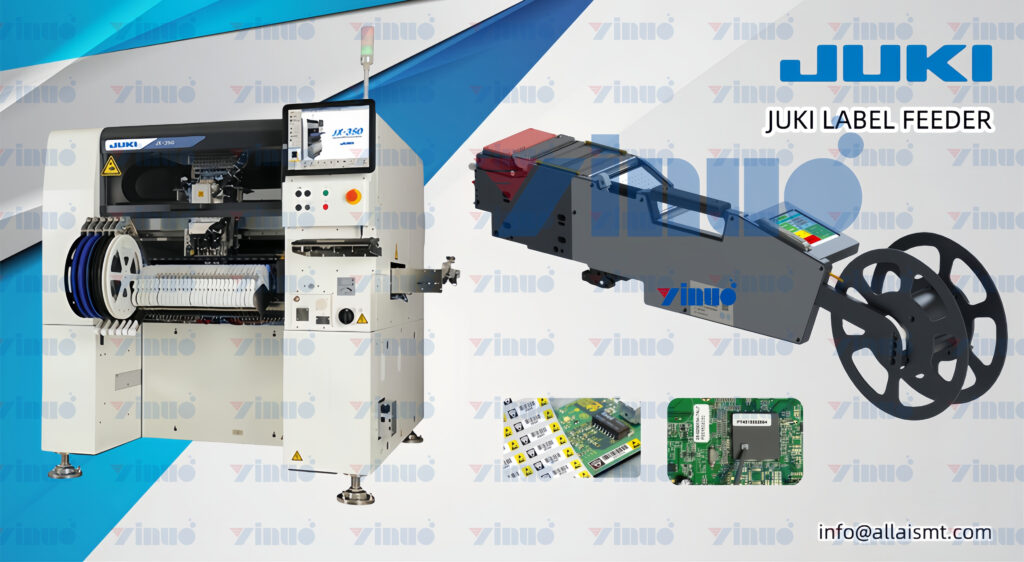
Label Feeders: Enhancing the Speed of Label Application
In the fast-paced world of manufacturing and packaging, speed and efficiency are paramount. One technology that has revolutionized the labeling process is the label feeder. These automated devices streamline the application of labels, significantly enhancing speed and efficiency on production lines. This article delves into how label feeders enhance the speed of label application and the resulting benefits for various industries.
Understanding Label Feeders
Label feeders are sophisticated machines designed to automate the dispensing and application of labels onto products or packaging. They come in various configurations to accommodate different types of labels, products, and production speeds. These devices can be integrated into existing production lines, working seamlessly with other machinery to ensure a smooth and efficient labeling process.
Speed and Efficiency: The Core Advantages
Automation and Consistency
One of the primary advantages of label feeders is their ability to automate the labeling process. Automation eliminates the need for manual intervention, which is often slower and prone to inconsistencies. With label feeders, labels are applied with precision and uniformity, ensuring each product is labeled correctly and quickly. This consistency is crucial in high-speed production environments where even minor delays can lead to significant bottlenecks.
High Throughput
Label feeders are designed to handle high volumes of labels in a short amount of time. They can apply labels at speeds that far exceed human capabilities, making them ideal for industries with high production demands. For example, in the food and beverage industry, label feeders can apply labels to thousands of bottles or cans per hour, maintaining a steady and efficient production flow.
Reduced Downtime
Manual labeling often requires frequent pauses for label reloading, adjustments, and inspections. Label feeders, however, are equipped with features that minimize downtime. They can hold large rolls of labels and are designed for quick and easy reloading. Additionally, many modern label feeders come with sensors and monitoring systems that detect issues and alert operators, allowing for swift resolutions without significant interruptions to the production line.
Industry Applications and Benefits
Food and Beverage
In the food and beverage industry, speed and accuracy are critical to meeting production quotas and ensuring product quality. Label feeders help manufacturers achieve these goals by applying labels quickly and accurately, reducing the risk of errors and product recalls. This efficiency not only boosts productivity but also helps maintain compliance with labeling regulations, which are particularly stringent in this industry.
Pharmaceuticals
The pharmaceutical industry requires precise and reliable labeling to ensure patient safety and regulatory compliance. Label feeders enhance the speed and accuracy of labeling processes, enabling pharmaceutical companies to meet high production demands while maintaining the integrity of their products. This efficiency is crucial in an industry where delays can have significant repercussions on supply chains and patient care.
Electronics
In the electronics industry, where products often require multiple labels with specific information, label feeders streamline the labeling process, ensuring that each component is accurately labeled in a timely manner. This speed and precision are vital for maintaining production schedules and ensuring that products reach the market quickly.
Technological Advancements Driving Speed
Integration with Production Lines
Modern label feeders are designed to integrate seamlessly with other machinery on production lines. This integration allows for synchronized operations, where labels are applied in perfect coordination with other production processes. Such synchronization is essential for maintaining high speeds and avoiding disruptions.
Advanced Sensors and Control Systems
Label feeders are equipped with advanced sensors and control systems that monitor the labeling process in real-time. These systems ensure that labels are applied correctly and detect any anomalies that could slow down production. By providing immediate feedback and enabling quick adjustments, these technologies help maintain high speeds and consistent output.
User-Friendly Interfaces
Many label feeders come with user-friendly interfaces that allow operators to set up and adjust the machines quickly. These interfaces often feature touchscreen controls and intuitive software, reducing the time required for training and setup. This ease of use contributes to faster label application and greater overall efficiency.
Conclusion
Label feeders have become indispensable in modern manufacturing and packaging environments, significantly enhancing the speed and efficiency of label application. By automating the process, reducing downtime, and integrating with production lines, these devices enable businesses to meet high production demands while maintaining accuracy and consistency. As technology continues to advance, label feeders will play an even more crucial role in driving productivity and ensuring the smooth operation of production lines across various industries.